Chicken Run Ideas For Small Backyards
Highlighted under: Cozy Home Plates
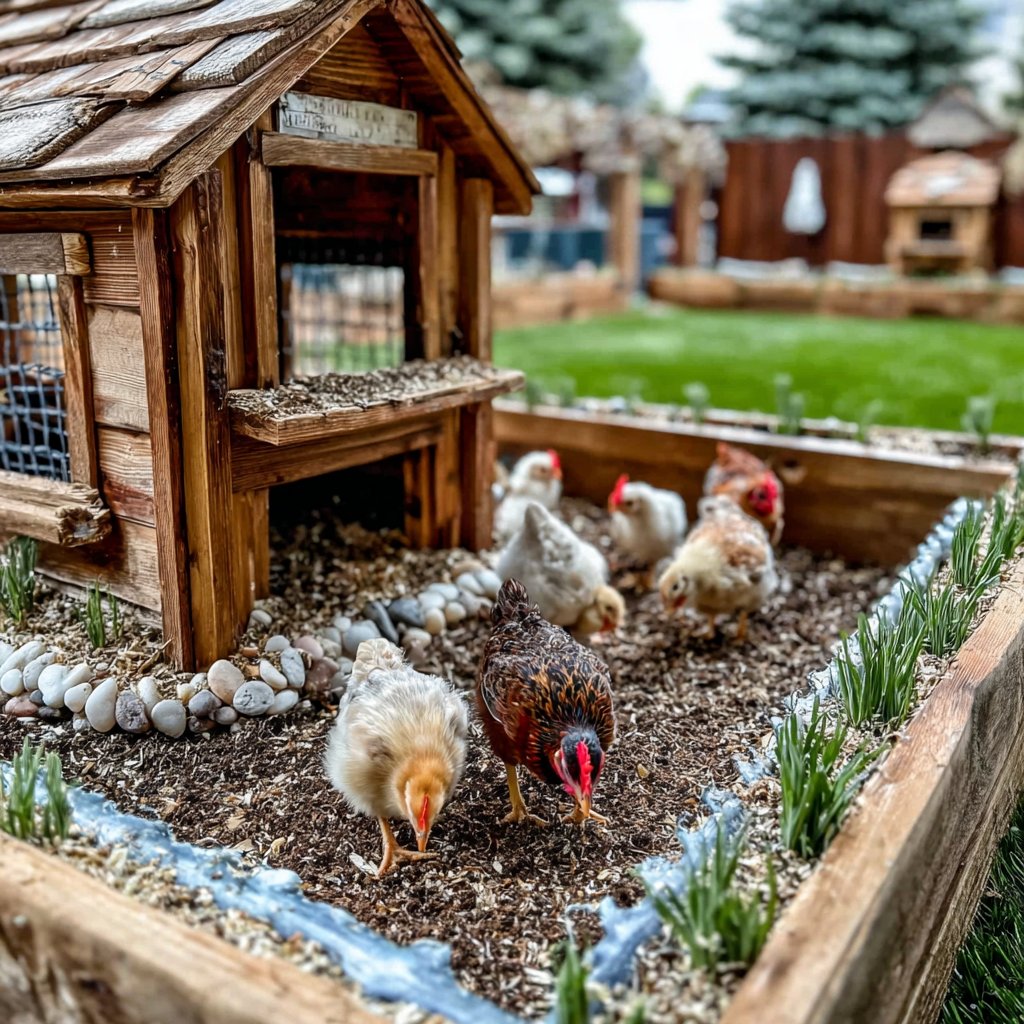
I’ve always dreamed of having a small flock of chickens, and when we finally set up our backyard, I was determined to make it work. With limited space, I had to get creative with how to design a chicken run that would keep my hens safe and happy. From vertical gardening solutions to compact structures, I've discovered some ingenious ideas that not only maximize our space but also enhance our backyard aesthetic. Here are my top chicken run ideas for small backyards to help you get started.
When we first adopted our chickens, I was intimidated by the thought of designing a chicken run. However, after some research and trial and error, I realized how fun and rewarding it could be. I used pallets to create a sturdy base for the run, which gave us a rustic yet durable shelter. It not only worked perfectly, but it also looked great in our garden.
Additionally, I learned that incorporating plants like herbs into the chicken run can keep pests away while providing the chickens with treats. This dual-purpose approach transformed our small space into an efficient and vibrant environment for my hens, and I can’t wait to share these tips with you!
Why You'll Love These Ideas
- Clever design tips to maximize small spaces
- Great inspiration for keeping chickens healthy and happy
- Eco-friendly solutions using natural materials
Maximizing Vertical Space
Utilizing vertical space is crucial when designing a chicken run in a small backyard. By building up rather than out, you can create multiple levels for your hens to explore. Consider installing shelves or platforms made from sturdy materials, allowing chickens to climb and perch. This not only enhances their foraging instincts but also keeps them entertained and active. A good rule of thumb is to ensure that each level is at least 12 inches apart if you're using platforms, allowing plenty of room for them to move freely.
Adding vertical gardening elements like hanging planters can also improve the aesthetic value while providing herbs for your chickens. Hanging pots of rosemary and lavender are popular choices, as they are safe for chickens and contribute to a fragrant environment. Plan for sunlight; placing these plants where they receive adequate light will ensure they thrive and help in managing pests naturally.
Safety Considerations
When building your chicken run, safety is paramount. It's essential to use heavy-duty wire fencing to create a secure barrier against potential predators like raccoons and hawks. Opt for fencing with openings no larger than one inch, and ensure it's at least four to six feet high to deter even the most ambitious climbers. Burrowing creatures can also pose a threat; consider burying the base of the fencing at least a foot underground to prevent digging.
Additionally, using a secured roof can protect your chickens from aerial attacks. For this, consider using sturdy materials like corrugated metal or wood, providing shade during hot weather while ensuring security. Always inspect your run regularly for any wear and tear, as even small gaps can be an entry point for predators.
Creating Comfortable Nesting Areas
Nesting boxes are essential for the well-being of your hens, providing a private, comfortable space for laying eggs. Position the nesting boxes at a height of around two feet; this will make it easier for the hens to access while keeping the boxes clean. It's recommended to have at least one nesting box for every three chickens to reduce competition and stress among them.
Line the boxes with straw or wood shavings to create a cozy environment. Regularly check and clean these boxes to prevent foul odors and maintain hygiene. Installing a hinged top can be practical; it allows you easy access for cleaning and egg collection without disturbing the hens too much. I usually check for eggs in the morning; it's a delightful ritual to see what they've laid!
Ingredients
Materials Needed
- Pallets or Wooden Planks
- Wire Fencing
- Chicken Coop Kit
- Herbs for planting
- Nesting Boxes
- Feeding Troughs
Instructions
Design Your Run
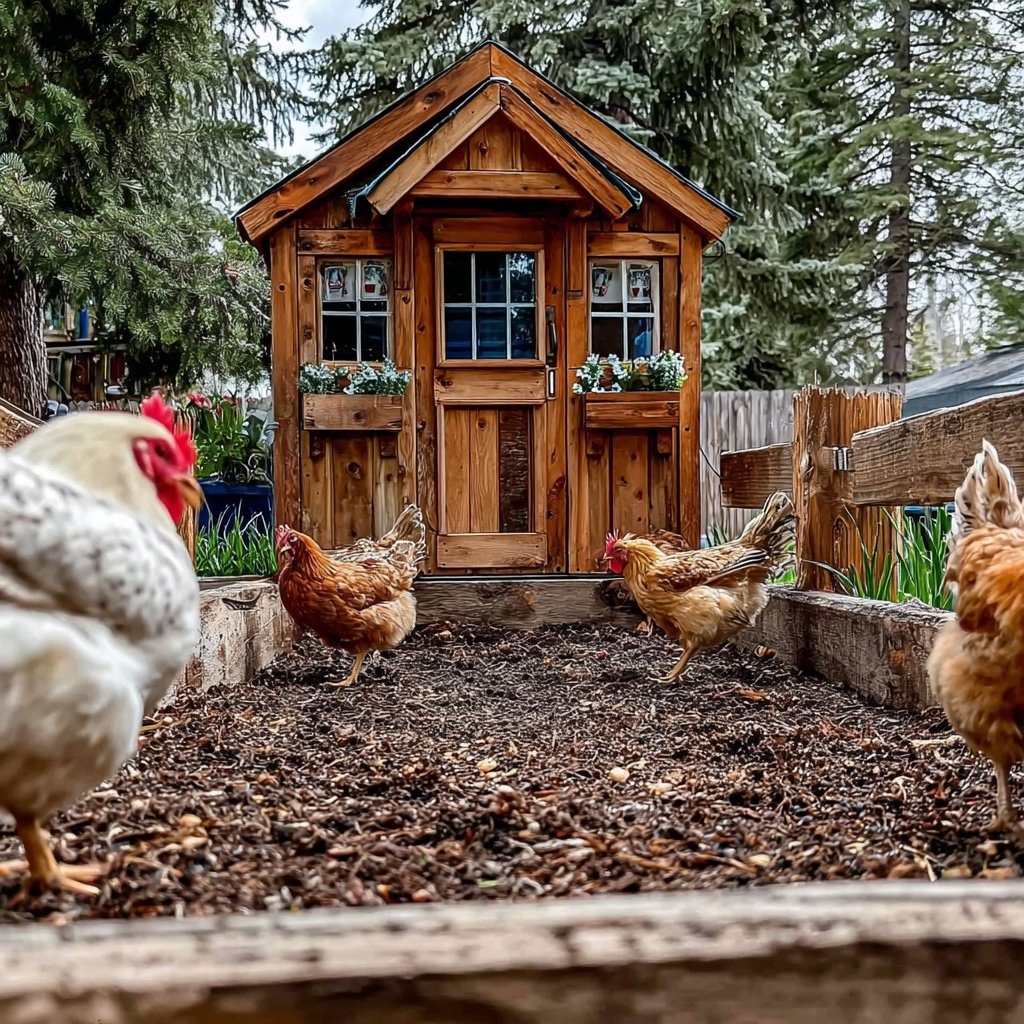
Start by sketching out how you want your chicken run to look. Consider vertical space to make the most of your small backyard.
Build with Pallets
Use recycled pallets to construct the walls and floor of your chicken run. They can be stacked to create different levels for the chickens to explore.
Add Wire Fencing
Cover the run with wire fencing to protect your chickens from predators. Ensure there are no gaps that they can squeeze through.
Create Nesting Areas
Incorporate nesting boxes into the design. This will provide your chickens with a comfortable space to lay their eggs.
Plant Herbs
Choose herbs that are safe for chickens, such as rosemary or lavender, and plant them around the run to create a natural habitat.
Pro Tips
- Keep the run clean and dry by using straw or wood shavings as bedding. Regularly check for food and water to keep your chickens comfortable and healthy.
Choosing Materials Wisely
When selecting materials for your chicken run, consider sustainability and safety. Recycled pallets not only help reduce waste but also provide a sturdy structure for the walls. Make sure to sand down any rough edges to prevent injury to your chickens. For added durability, treat wood with a non-toxic sealant, which will protect it against weathering without posing any harm to your flock.
Wire fencing is typically the most secure option, but be mindful of the gauge. A thicker wire is more predator-proof, while a thinner gauge may bend and lose strength over time. Always choose materials that can withstand the elements in your area—like pressure-treated wood for the coop—ensuring you won’t need constant replacements.
Maintenance and Care Tips
Maintaining the chicken run doesn't have to be a daunting task. Designate a cleaning schedule; I recommend doing a thorough clean every two weeks. Remove waste, replenish bedding, and ensure food and water supplies are fresh. This regular upkeep can help prevent diseases and parasites, which can quickly spread in a confined space.
During colder months, it is crucial to insulate the run if you live in a colder climate. Use tarps or additional wood panels to block wind, ensuring your hens have a warm and safe environment. Adding a heat lamp can also be beneficial during the frigid nights, but ensure it is securely mounted to prevent fire hazards while being safely out of reach of pecking chickens.
Questions About Recipes
→ How much space do chickens need in a run?
Ideally, each chicken should have at least 4 square feet in the run to ensure they have enough space to move around comfortably.
→ What types of plants are safe for chickens?
Herbs like basil, mint, and parsley are generally safe and can even help repel pests in the run.
→ Can I keep more than one breed of chicken together?
Yes, but it's important to introduce them slowly and monitor their interactions to avoid any bullying.
→ How do I keep predators away from my chickens?
Ensure your run is securely fenced in with no gaps. It may also help to add a roof or overhead netting to provide extra protection.
Chicken Run Ideas For Small Backyards
What You'll Need
Materials Needed
- Pallets or Wooden Planks
- Wire Fencing
- Chicken Coop Kit
- Herbs for planting
- Nesting Boxes
- Feeding Troughs
How-To Steps
Start by sketching out how you want your chicken run to look. Consider vertical space to make the most of your small backyard.
Use recycled pallets to construct the walls and floor of your chicken run. They can be stacked to create different levels for the chickens to explore.
Cover the run with wire fencing to protect your chickens from predators. Ensure there are no gaps that they can squeeze through.
Incorporate nesting boxes into the design. This will provide your chickens with a comfortable space to lay their eggs.
Choose herbs that are safe for chickens, such as rosemary or lavender, and plant them around the run to create a natural habitat.
Extra Tips
- Keep the run clean and dry by using straw or wood shavings as bedding. Regularly check for food and water to keep your chickens comfortable and healthy.
Nutritional Breakdown (Per Serving)
- Calories: 0 kcal
- Total Fat: 0g
- Saturated Fat: 0g
- Cholesterol: 0mg
- Sodium: 0mg
- Total Carbohydrates: 0g
- Dietary Fiber: 0g
- Sugars: 0g
- Protein: 0g