Homemade Cottage Cheese Bagels
Highlighted under: Simple Speed Meals
I love making homemade cottage cheese bagels because they are not only delicious but also incredibly easy to prepare. The creamy cottage cheese adds a soft texture that makes these bagels stand out. I enjoy serving them fresh out of the oven, topped with a sprinkle of sea salt and maybe a bit of chives for extra flavor. It’s a fantastic way to enjoy a classic breakfast staple with a twist, and the whole process feels remarkably rewarding, especially when the bagels come out golden brown and perfectly shaped.
When I first attempted to make cottage cheese bagels, I was pleasantly surprised by how the cottage cheese complemented the dough, yielding a fluffy and moist interior. I experimented with different flavors and toppings, and I discovered that a touch of honey adds an intriguing sweetness that pairs wonderfully with savory spreads. This method not only enhances the bagel's flavor but also keeps them fresh longer.
I've also found that boiling the bagels before baking is key to achieving that perfect chewy crust. It might seem like an extra step, but it truly elevates the texture. Each time I pull a batch out of the oven, the aroma fills my kitchen, and I can't wait to share them with friends and family.
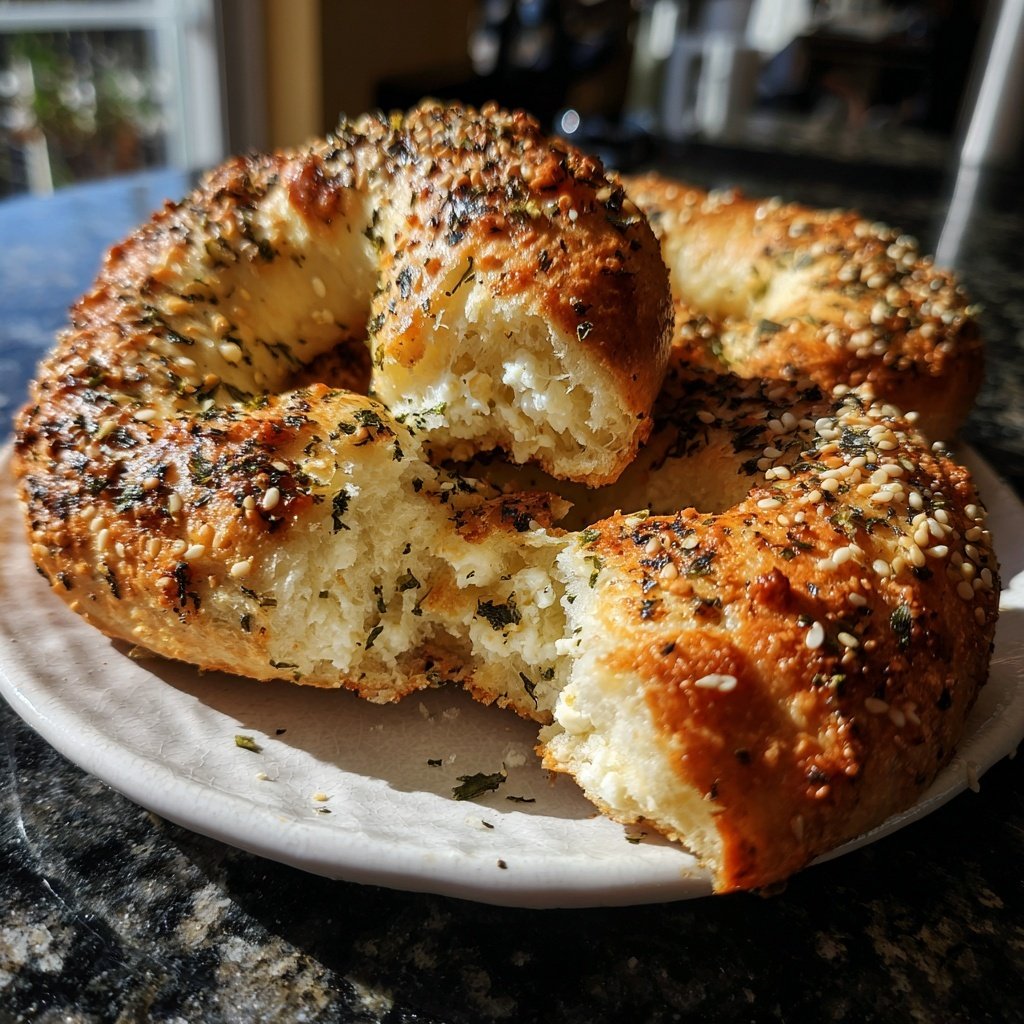
Why You'll Love These Bagels
- Light and fluffy texture thanks to cottage cheese
- Easy to make at home with simple ingredients
- Perfect for breakfast or as a snack
Unlocking the Texture
The key to achieving a light and fluffy texture in your cottage cheese bagels lies in the cottage cheese itself. When you select your cottage cheese, opt for a full-fat version to enhance the creaminess and overall moisture of the dough. This ingredient also contributes to the protein content, which is essential for creating a wonderful rise in the bagels during boiling and baking. If you're looking for a lighter option, ricotta cheese can serve as a suitable substitute, giving similar results.
Another crucial step to maintain the desired texture is to ensure you don't over-knead the dough. Kneading for about one minute is sufficient; your dough should remain soft and not overly elastic. This brief kneading allows for just enough gluten development without turning the bagels tough. If you find the dough too sticky, dust the surface with a bit more flour, but be mindful not to incorporate too much, as excess flour can alter the final texture.
Boiling for Balance
Boiling the bagels before baking is a critical step that imparts that signature chewy crust. Aim to bring the water to a gentle boil rather than a rolling boil, as too much turbulence can distort the bagel shapes. For adjustment, adding a tablespoon of baking soda to the boiling water can enrich the dough's exterior, resulting in a shiny, crisp crust upon baking. Be careful to flip the bagels gently after one minute to avoid breaking them, achieving the perfect balance between soft interior and firm exterior.
The boiling time also plays a substantial role. Cooking the bagels for one minute on each side strikes a good balance; longer boiling can make the bagels too dense. Similarly, if you prefer a denser bagel, consider increasing the boiling time slightly, but watch closely to prevent them from becoming gummy. Observation is key here; look for slight puffiness and a glossy surface as indicators that they’re ready for the oven.
Serving and Storage Tips
Once baked, cottage cheese bagels are best enjoyed warm, straight from the oven, where their soft insides and crisp outsides stand out. To enhance flavor, I often recommend serving them with fresh toppings like cream cheese, cucumbers, or smoked salmon, which complement the richness of the bagels beautifully. For a simple herb-infused option, mix chopped chives directly into the cream cheese for a lovely twist.
If you're looking to prepare ahead, these bagels freeze exceptionally well. Allow them to cool completely, then wrap each bagel individually in plastic wrap and place them in an airtight container. They can be stored in the freezer for up to three months. To reheat, simply pop them in a toaster or an oven set to 350°F (175°C) for about 10 minutes to restore their original texture. This way, you can enjoy freshly baked bagels at your convenience!
Ingredients
For the Bagels
- 2 cups all-purpose flour
- 1 cup cottage cheese
- 1 large egg
- 2 teaspoons baking powder
- 1 teaspoon salt
- 1 tablespoon honey
- Sesame seeds or poppy seeds for topping (optional)
Mix well and prepare to shape!
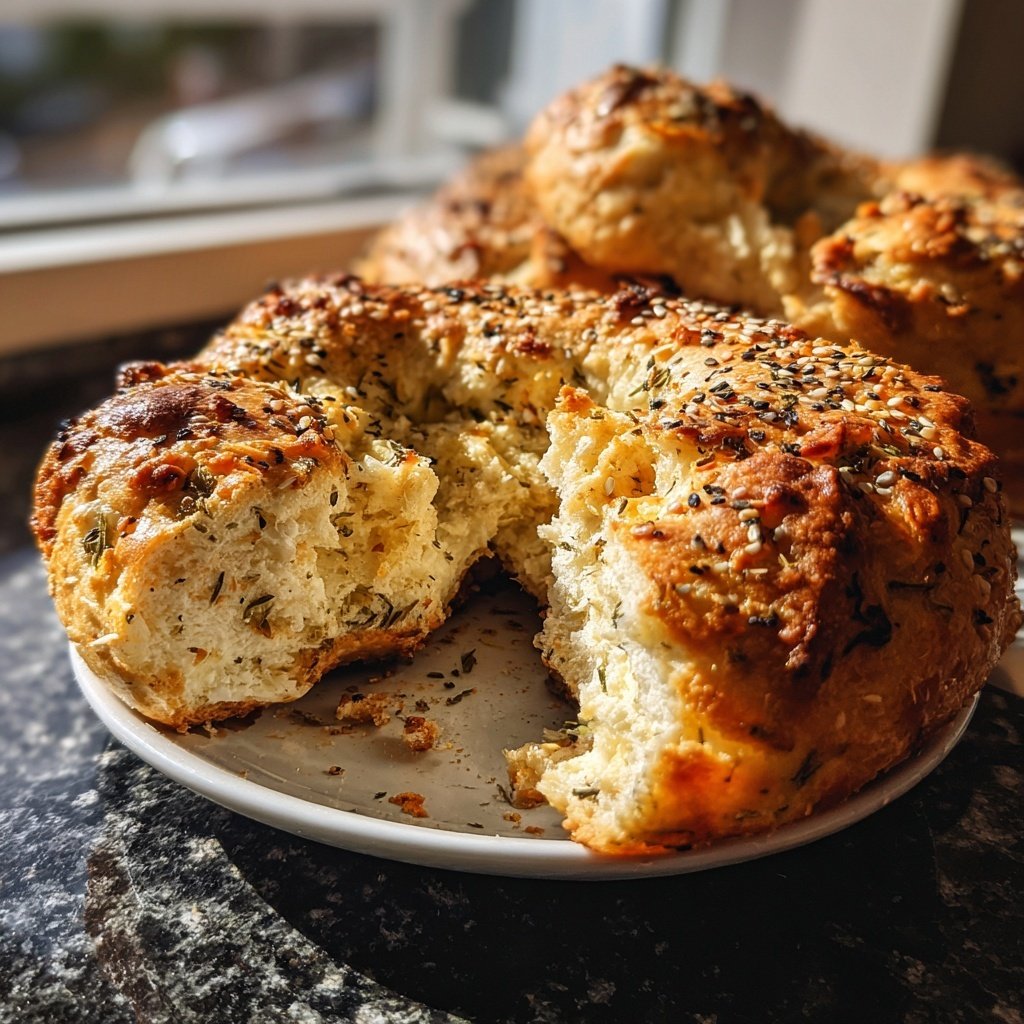
Instructions
Prepare the Dough
In a large bowl, combine the flour, baking powder, and salt. In another bowl, mix together the cottage cheese, egg, and honey. Gradually add the wet mixture to the dry ingredients, mixing until a dough forms.
Shape the Bagels
Turn the dough out onto a floured surface and knead gently for about 1 minute. Divide the dough into equal parts and shape each piece into a bagel, creating a hole in the center.
Boil the Bagels
Bring a pot of water to a boil. Carefully drop the bagels into the boiling water, cooking for about 1 minute on each side.
Bake the Bagels
Preheat your oven to 375°F (190°C). Place the boiled bagels on a baking sheet lined with parchment paper. If desired, sprinkle sesame or poppy seeds on top and bake for about 25 minutes, until golden brown.
Let the bagels cool slightly before enjoying!
Pro Tips
- For added flavor, consider mixing in herbs or spices, such as garlic powder or dried oregano, into your dough before shaping the bagels.
Common Troubleshooting
If your bagels turn out flatter than expected, this might indicate that the dough was too wet or that they were not boiled long enough. A firmer dough typically leads to a higher bagel, so consider reducing the cottage cheese slightly in future batches if you encounter this issue. Additionally, ensure that your baking powder is fresh, as old leavening agents can hinder the rise, resulting in a denser bagel.
On the other hand, if the bagels emerge overly dense, it's possible that the dough was over-kneaded or too much flour was incorporated during shaping. Minimizing kneading time and avoiding excess flour can greatly improve the lightness of the bagels. If you find yourself in a situation where you must add flour, try doing so gradually to maintain the balance of moisture and structure.
Variations to Explore
To add more excitement to your cottage cheese bagels, consider incorporating different flavors into the dough. A tablespoon of garlic powder or dried herbs such as oregano or basil can infuse your bagels with aromatic flavor. For a sweeter variation, try mixing in raisins or cinnamon for a breakfast treat that pairs well with cream cheese.
Another fun twist is experimenting with toppings before baking. Besides sesame or poppy seeds, you could try a sprinkle of everything bagel seasoning for an all-in-one flavor boost. This adds not only taste but also visual appeal, elevating your homemade bagels to a beautiful gourmet style that’s sure to impress.
Questions About Recipes
→ Can I use low-fat cottage cheese?
Yes, low-fat cottage cheese works just fine, but the bagels may not be as rich in flavor.
→ How can I store leftover bagels?
Store them in an airtight container at room temperature for up to two days. For longer storage, freeze them in a zip-lock bag.
→ Can I add toppings to these bagels?
Absolutely! Feel free to add toppings like everything bagel seasoning, cheese, or fresh herbs before baking.
→ What else can I serve with these bagels?
They pair wonderfully with cream cheese, avocado, smoked salmon, or even as a base for breakfast sandwiches.
Homemade Cottage Cheese Bagels
Created by: Riley Dawson
Recipe Type: Simple Speed Meals
Skill Level: Beginner
Final Quantity: 8 bagels
What You'll Need
For the Bagels
- 2 cups all-purpose flour
- 1 cup cottage cheese
- 1 large egg
- 2 teaspoons baking powder
- 1 teaspoon salt
- 1 tablespoon honey
- Sesame seeds or poppy seeds for topping (optional)
How-To Steps
In a large bowl, combine the flour, baking powder, and salt. In another bowl, mix together the cottage cheese, egg, and honey. Gradually add the wet mixture to the dry ingredients, mixing until a dough forms.
Turn the dough out onto a floured surface and knead gently for about 1 minute. Divide the dough into equal parts and shape each piece into a bagel, creating a hole in the center.
Bring a pot of water to a boil. Carefully drop the bagels into the boiling water, cooking for about 1 minute on each side.
Preheat your oven to 375°F (190°C). Place the boiled bagels on a baking sheet lined with parchment paper. If desired, sprinkle sesame or poppy seeds on top and bake for about 25 minutes, until golden brown.
Extra Tips
- For added flavor, consider mixing in herbs or spices, such as garlic powder or dried oregano, into your dough before shaping the bagels.
Nutritional Breakdown (Per Serving)
- Calories: 220 kcal
- Total Fat: 3g
- Saturated Fat: 1g
- Cholesterol: 30mg
- Sodium: 250mg
- Total Carbohydrates: 40g
- Dietary Fiber: 2g
- Sugars: 1g
- Protein: 10g